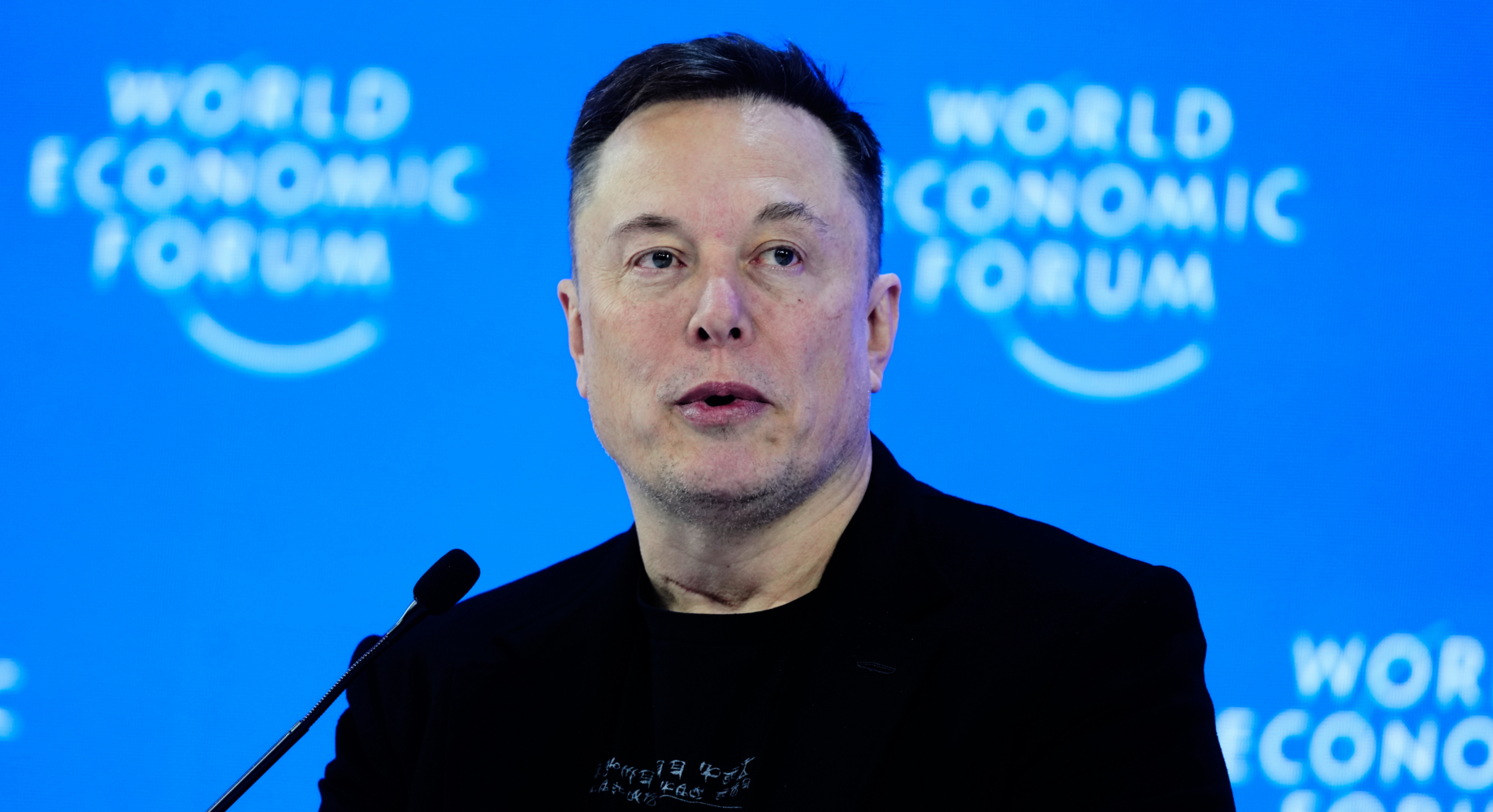

WASHINGTON — Elon Musk is again stirring debate over the future of artificial intelligence, arguing that rapid advances in AI and robotics could eventually create an economy so productive that governments would provide Americans with a “universal high income” to offset widespread job losses.
“Universal HIGH INCOME via checks issued by the Federal government is the best way to deal with unemployment caused by AI,” Musk said. “AI/robotics will produce goods & services far in excess of the increase in the money supply, so there will not be inflation.”
In a series of online comments, Musk said AI-driven automation could produce “goods & services far in excess of the increase in the money supply,” arguing that the result would not be inflation but an era of unprecedented abundance.
“AI/robotics will produce goods & services far in excess of the increase in the money supply, so there will not be inflation,” Musk wrote. “Actually, AI/Robotics will mean everyone can have a penthouse if they want.”
Musk said the future economy could resemble the fictional post-scarcity society depicted in author Iain M. Banks’ “Culture” science fiction novels, where advanced technology eliminates scarcity and most traditional labor.
The billionaire entrepreneur has increasingly warned that artificial intelligence could replace millions of jobs across industries, from transportation and manufacturing to white-collar professions. His latest comments expand on earlier support for universal basic income programs, though Musk framed the concept this time as “universal high income.”
Economists and political analysts say Musk’s proposal shares some similarities with socialist or communist theories because it envisions the federal government redistributing wealth to citizens while technology controls much of production.
Supporters of universal income programs argue that automation may eventually force governments to rethink traditional employment models. Some economists have proposed limited universal basic income experiments as a way to stabilize consumers during periods of technological disruption.
Musk did not outline how such a program would be funded or administered, nor did he address concerns about political control, labor participation or long-term economic incentives.
The debate comes as AI technology continues advancing rapidly, with companies investing billions of dollars into systems capable of performing tasks once handled exclusively by humans. Researchers remain divided over how quickly automation could reshape the workforce and whether new industries would emerge to replace displaced jobs.